ANI
23 Mar 2026, 23:01 GMT+10
New Delhi [India], March 23 (ANI): Countries across Asia, Africa and Europe have rolled out sweeping and, in some cases, unprecedented energy conservation measures as the escalating conflict in West Asia disrupts global fuel supplies and rattles energy markets.
Governments are enforcing a mix of fuel rationing, work-from-home mandates, public holidays, transport restrictions and even partial industrial shutdowns to stretch limited reserves and prioritise essential services.
In Asia, Sri Lanka has tightened its fuel management regime by expanding its QR code-based National Fuel Pass system, while also declaring a public holiday for schools, universities and non-essential state workers to reduce consumption.
According to Xinhua, the Sri Lankan government announced such moves on March 15.
According to a statement by the Ceylon Petroleum Corporation, under the QR code-based programme, car owners will now receive 25 litres per week, an increase of 10 litres, while three-wheelers will get 20 litres, up by 5 litres. Fuel quotas for lorries and special-purpose vehicles will stay the same.
Bangladesh has also moved aggressively, shutting universities and coaching centres, enforcing fuel rationing, and implementing five-hour rolling blackouts for households while prioritising electricity supply to its crucial garment export sector. The deployment of the army at oil depots underscores the gravity of the situation.
Neighbouring Pakistan has introduced a four-day work week; mandated 50 per cent work-from-home for government employees; and slashed fuel allocations to departments, alongside closing educational institutions, as reported by Dawn, while Bhutan has activated emergency protocols, including fuel rationing for essential services and restrictions to prevent hoarding.
The escalating conflict began on February 28 with the killing of 86-year-old Iran's Supreme Leader, Ayatollah Ali Khamenei, in joint military strikes by the US and Israel, after which Iran, in retaliation, targeted Israel and US assets in several Gulf countries, causing disruption in the waterways and affecting international energy markets and global economic stability.
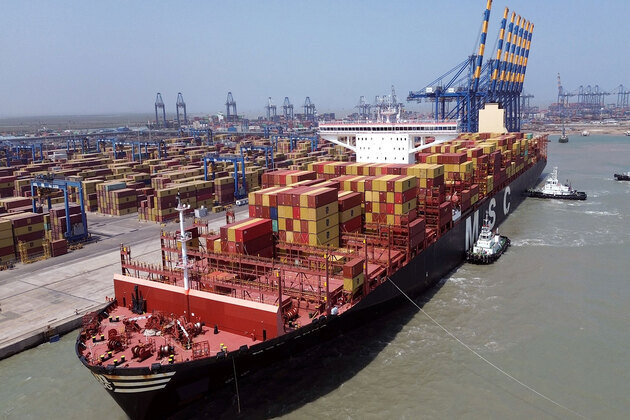
Due to the conflict in the region, Iran has virtually closed the Strait of Hormuz, a critical global transit for energy trade.
In Southeast Asia, countries such as the Philippines and Vietnam are encouraging remote work and limiting non-essential travel, while Myanmar has imposed odd-even vehicle usage rules amid severe shortages that have forced fuel stations to shut. Similar disruptions have been reported in Cambodia and Laos, where authorities are promoting electric mobility and rotational work shifts to ease pressure on strained supply chains.
The Strait of Hormuz is a critical transit route that normally handles 15 million barrels per day of crude oil and 5 million barrels per day of oil products, representing roughly 25 per cent of global seaborne oil trade.
However, due to the conflict in the region, the waterway has been considered high-risk for transit, choking the global energy supply and forcing countries across the world to take such drastic measures.
In Africa, Egypt has ordered early closure of malls, restaurants and government offices while switching off illuminated billboards to cut power usage, and Kenya has imposed fuel rationing and halted exports as fears grow that existing stocks may run dry within weeks.
South Africa has introduced controlled fuel allocation measures to prevent panic buying and ensure equitable distribution.
Meanwhile, in Europe, Slovenia has seen fuel retailers impose strict caps on sales, limiting supplies for both private and commercial vehicles amid surging demand.
Slovenian energy firm Petrol, last week, announced that it has temporarily restricted fuel purchases and reiterated its call for the government to overhaul the existing state-controlled fuel pricing system, citing increased logistical challenges caused by the conflict.
The wave of restrictions reflects mounting concerns over prolonged disruption to energy flows, particularly through critical transit routes in West Asia. (ANI)
Get a daily dose of Malaysia Sun news through our daily email, its complimentary and keeps you fully up to date with world and business news as well.
Publish news of your business, community or sports group, personnel appointments, major event and more by submitting a news release to Malaysia Sun.
More InformationNEW DELHI/SINGAPORE: Refiners in India and across Asia are exploring purchases of Iranian oil after the United States temporarily eased...
NEW DELHI, India: India will prioritise domestic fuel demand as it reviews requests from neighbouring countries for supplies, approving...
New Delhi [India], March 23 (ANI): Prime Minister Narendra Modi on Monday addressed the Lok Sabha to brief members on the developments...
New Delhi [India], March 23 (ANI): Countries across Asia, Africa and Europe have rolled out sweeping and, in some cases, unprecedented...
Dhaka [Bangladesh], March 23 (ANI): Bangladesh Cricket Board (BCB) granted clearance to their players for participation in the Pakistan...
Dhaka (Bangladesh); Monday, 23 March (ANI): The Bangladesh Cricket Board (BCB) has announced the appointment of a new National Selection...
SAN FRANCISCO, California: OpenAI is planning a major hiring push that could nearly double its workforce to about 8,000 employees by...
NEW DELHI/SINGAPORE: Refiners in India and across Asia are exploring purchases of Iranian oil after the United States temporarily eased...
NEW YORK CITY, New York: A growing number of workers are moving away from traditional nine-to-five schedules in favour of microshifting,...
SAN FRANCISCO, California: More than a decade after the failure of its Fire Phone, Amazon is working on a new smartphone project as...
LONDON, U.K.: Unilever is in discussions to sell its food business to U.S.-based McCormick & Company, in a potential deal that would...
BEIJING, China: Apple recorded strong growth in China's smartphone market at the start of 2026, even as overall sales declined, helped...