


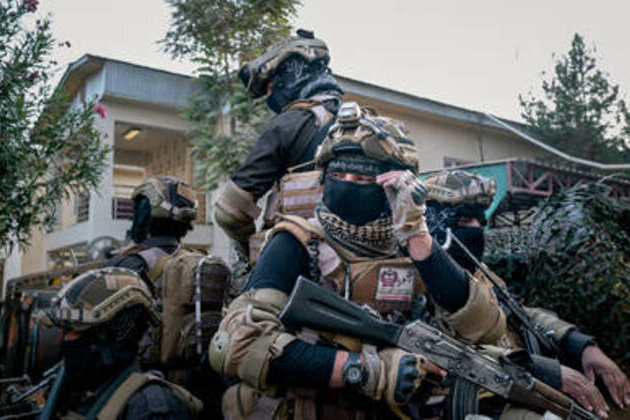
Every empire learns this lesson. Pakistan didn't
RT.com
25 Mar 2026, 12:41 GMT+10
 Share
Share
 Tweet
Tweet
 Share
Share
 Flip
Flip
 Email
Email
Subscribe and Follow
Get a daily dose of Malaysia Sun news through our daily email, its complimentary and keeps you fully up to date with world and business news as well.


News RELEASES
Publish news of your business, community or sports group, personnel appointments, major event and more by submitting a news release to Malaysia Sun.
More InformationIndia floods market with low-cost versions of weight-loss drugs

NEW DELHI, India: Indian drugmakers have begun launching lower-cost versions of popular diabetes and weight-loss drugs Ozempic and...
India, Asian refiners consider Iranian crude after US waiver
NEW DELHI/SINGAPORE: Refiners in India and across Asia are exploring purchases of Iranian oil after the United States temporarily eased...
Every empire learns this lesson. Pakistan didnt
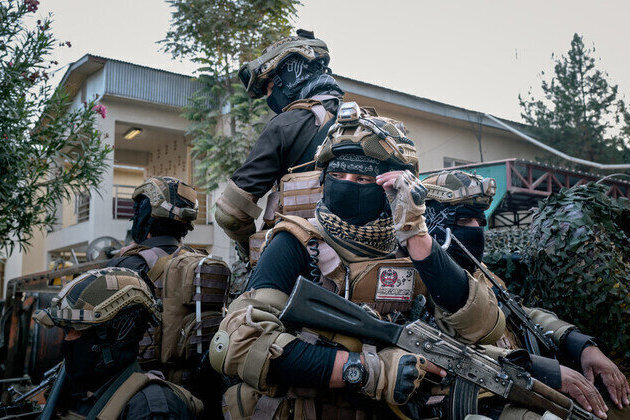
Afghanistan has resisted control for centuries and Islamabad is no exception For more than four decades, Pakistan's approach toward...
Every empire learns this lesson. Pakistan didn't
Afghanistan has resisted control for centuries - and Islamabad is no exception For...
Opposition MPs hold protest in Parliament premises over LPG supply issue

New Delhi [India], March 25 (ANI): Ahead of the all party meeting called on the West Asia conflict, opposition MPs on Wednesday held...
China draws lessons from US campaign in Iran
Beijing [China], March 25 (ANI): Amidst much trumpeting of American military prowess, President Donald Trump's attack on Iran seems...
India floods market with low-cost versions of weight-loss drugs
NEW DELHI, India: Indian drugmakers have begun launching lower-cost versions of popular diabetes and weight-loss drugs Ozempic and...
U.S. stock markets reverse gains as oil crisis reverberates

NEW YORK, New York - U.S. stocks finished mostly lower on Tuesday, while global markets delivered a mixed performance as geopolitical...
Berkshire to buy 2.49% stake in Tokio Marine partnership
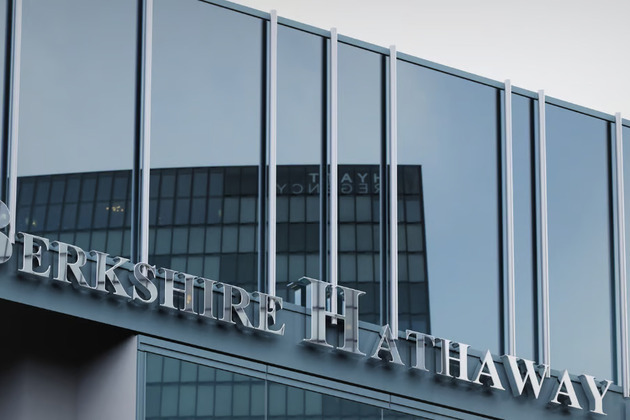
TOKYO, Japan: Tokio Marine Holdings said on March 23 that it will enter a strategic partnership with Warren Buffett's Berkshire Hathaway,...
Iran war fuel surge threatens to offset US tax refunds gain
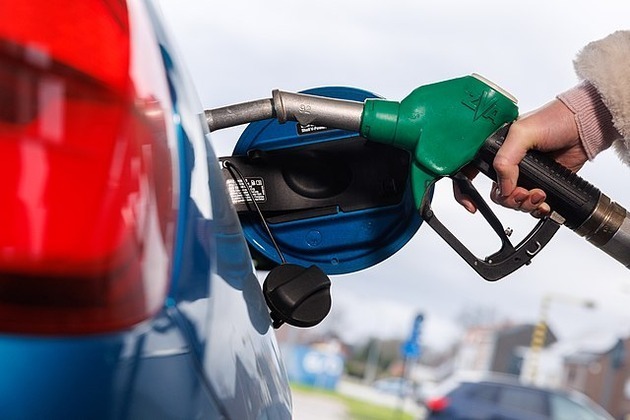
WASHINGTON, D.C.: A surge in gasoline prices linked to the Iran war is expected to erode much of the financial boost Americans were...
Novartis strikes $3 billion deal for experimental cancer therapy

FRANKFURT, Germany: Novartis has agreed to acquire an experimental breast cancer drug from U.S.-based Synnovation Therapeutics in a...
U.S. stocks surge as Trump claims war-ending talks underway

NEW YORK, New York - Astonishingly a single post by U.S. President Donald Trump on his Truth Social platform on Monday ignited stock...
